Caregiver Insights Magazine
Top Wound Care Nurse Issues Urgent Warning to Caregivers: Your Parent's Favorite Chair Is Quietly Destroying Their Skin
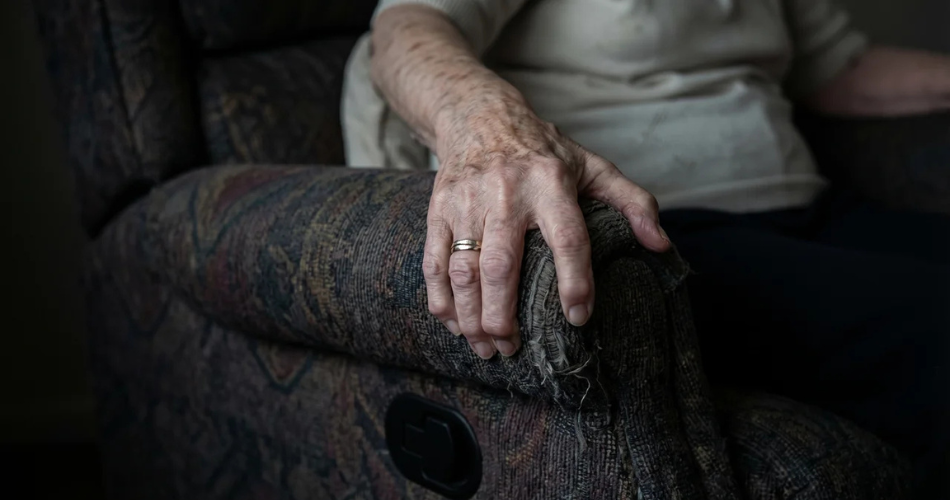
If you are a daughter caring for an aging parent, you already know the crushing weight of the responsibility.
If you’ve spent hundreds of dollars on fluffy pillows, memory foam pads, and "orthopedic" cushions to keep them comfortable…
If you’ve felt your heart drop into your stomach when you checked their skin and found a terrifying red "hotspot"...
If you live in constant, quiet terror that one slip-up will send them to the hospital…
You are not alone. And the failures you've experienced are not your fault.
You see, we've been conditioned to believe that keeping an aging parent comfortable is just a matter of adding more softness.
But what if I told you that the very cushions you bought to protect them are actually accelerating their decline?
The truth is, pressure injuries kill up to 60,000 Americans annually—about the same number as drug overdoses. Yet nobody is talking about the real cause.
But this isn’t just an unfortunate reality of aging. This is a massive, systemic failure caused by a hidden mechanical trap that the "comfort" industry doesn't want you to know about.
The Devastating Secret I Learned After 20 Years in Wound Care
My name is Sarah, and I've been a registered Wound Care Nurse for over two decades. I’ve worked in hospitals, nursing homes, and private care.
In my line of work, I see the absolute worst-case scenarios.
But the cases that break my heart the most aren't the ones involving neglect. They are the cases involving devoted, exhausted daughters who did absolutely everything right.
Last year, a woman named Linda brought her 84-year-old father into my clinic. Linda was the picture of the perfect caregiver. She had purchased an $80 "premium" memory foam cushion for his recliner. She repositioned him constantly.
Yet, when I examined him, I found a Stage 3 pressure wound on his tailbone.
Linda broke down sobbing in my exam room. "I feel like such a failure," she wept. "The guilt is eating me alive. I bought him the softest cushion they had. How did this happen?"
That's when I realized something had to change.
Conventional wisdom was telling caregivers to buy soft, pillowy cushions. But the clinical reality I saw every day proved that softness is a dangerous lie.
I made it my personal mission to figure out why these "highly rated" products were sending so many elderly patients to my wound clinic.
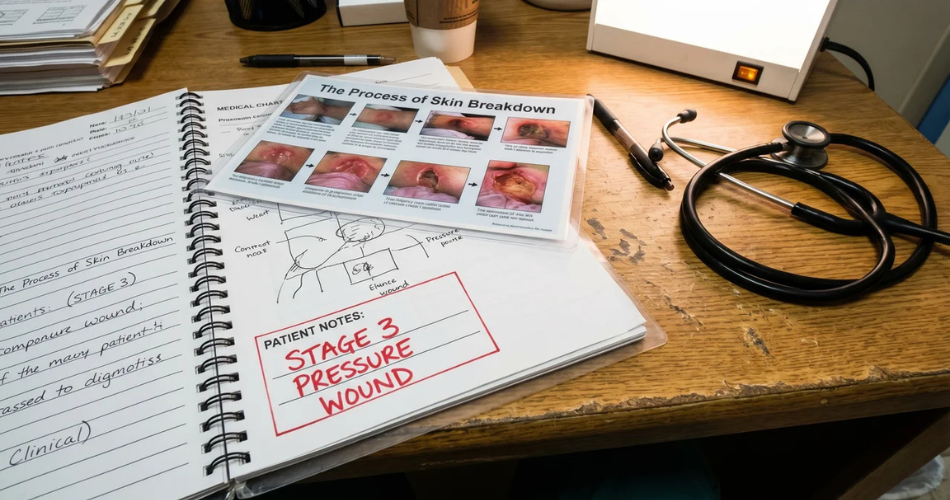
Lab Tests Reveal The "Comfort Trap" Starving Your Parent's Skin
I dove into peer-reviewed pressure mapping studies, and what the research revealed changed everything I thought I knew about seating.
The data showed a shocking disconnect between what we assume is comfortable and what is actually happening beneath the skin.
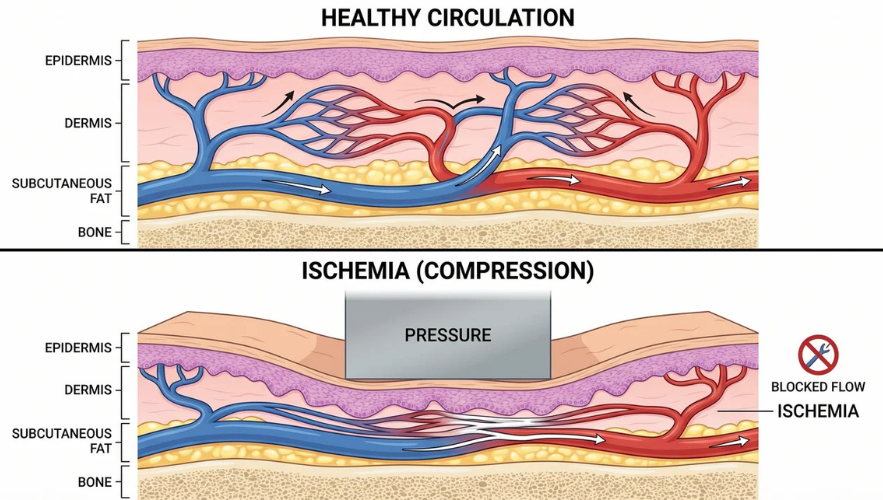
The hidden culprit causing your parent's pain is something I call The Comfort Trap (Ischemia by Compression).
Here is the counterintuitive truth: Memory foam and fluffy pads feel wonderful for about five minutes. But under the sustained weight of a human body, those materials suffer a complete mechanical failure. They "bottom out."
Within an hour, that soft foam compresses into a rock-hard pancake.
Instead of relieving pressure, the flattened foam concentrates all of your parent's body weight directly onto their pelvic bones and tailbone. This intense, targeted pressure pinches the blood vessels shut.
In the medical world, we call this ischemia—a total lack of blood flow. Without enough blood to nourish the tissue, the skin literally begins to die.
We've been thinking about this backwards. We thought we needed to add padding to the chair.
But you can't fix ischemia with fluff. Stacking pillows under a parent in pain is like putting a soft blanket over a bed of rocks. It feels softer on the surface, but the bone-crushing pressure is still there.
Your instincts were right all along. When you felt like those foam cushions were just going flat and making things worse—you weren't crazy. You were exactly right.
Why Every Standard Solution Ultimately Fails
Once you understand The Comfort Trap, you begin to see exactly why every traditional solution is doomed to fail your parent. Let's look at the science:
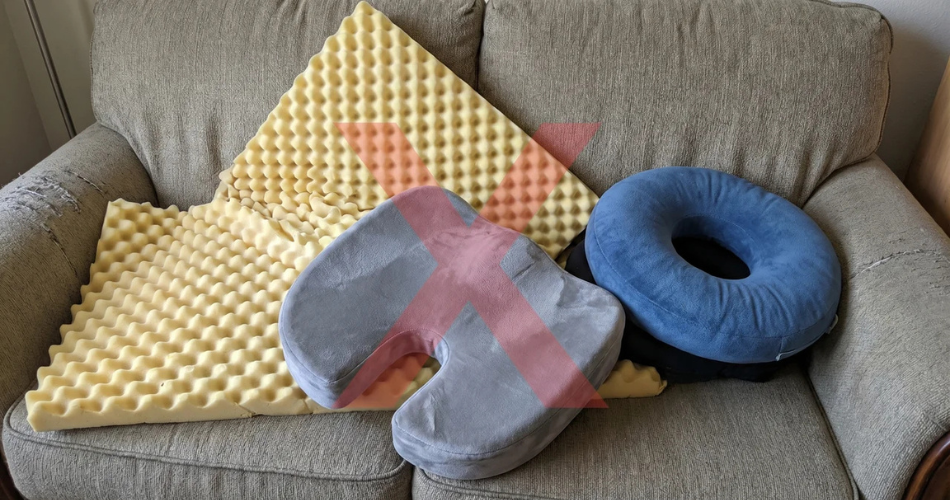
Solution? Memory Foam & Egg Crate Cushions. The Flaw: Total compression. Within hours, they flatten out and trap heat. They do not address the underlying ischemia, leaving the tailbone bearing the brunt of the body's weight.
Solution? The Donut Pillow. The Flaw: Medical danger. International clinical guidelines now explicitly warn against donut cushions. Because they feature a hole in the center, they force all the body's weight onto a narrow outer ring of tissue, actually cutting off blood flow and increasing the risk of severe skin breakdown.
Solution? The Beloved Recliner. The Flaw: Postural locking. A home recliner is not designed for someone who sits 8 to 12 hours a day. It forces the pelvis to tilt backward, placing dangerous, unrelenting pressure directly on the vulnerable lower spine.
So, what do professionals use when the stakes are life and death?
In the hospital, we use $5,000 "alternating-air" mattresses and high-tech fluid beds. We use them because they perform one vital function: Active Pressure Redistribution.
It always angered me that this clinical technology was kept behind hospital doors, leaving family caregivers to rely on cheap drugstore foam.
But recently, a medical-grade breakthrough has finally made this technology available for the home.
The Professional Secret to Zero-Gravity Sitting
The only way to truly stop the pain and prevent life-threatening sores is to directly address The Comfort Trap. You must restore blood flow.
To do that, you need a mechanism that actively spreads the body's weight so that no single bone is bearing the load.
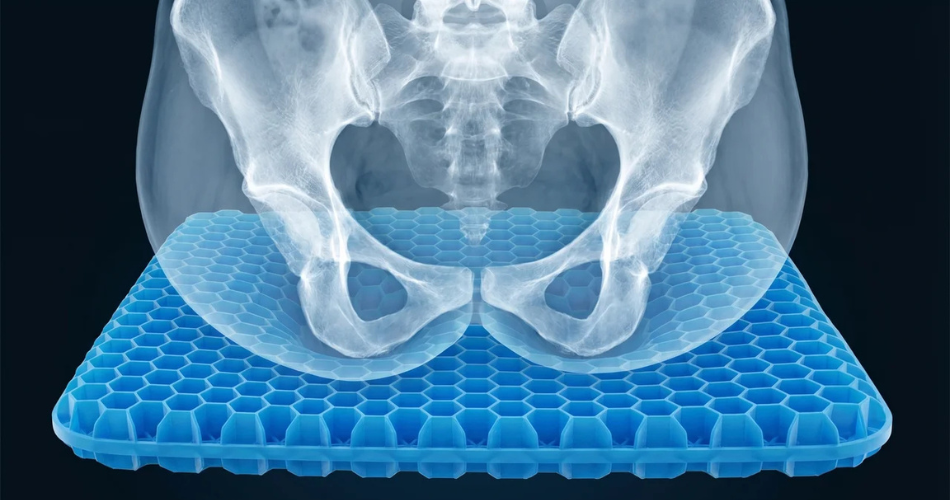
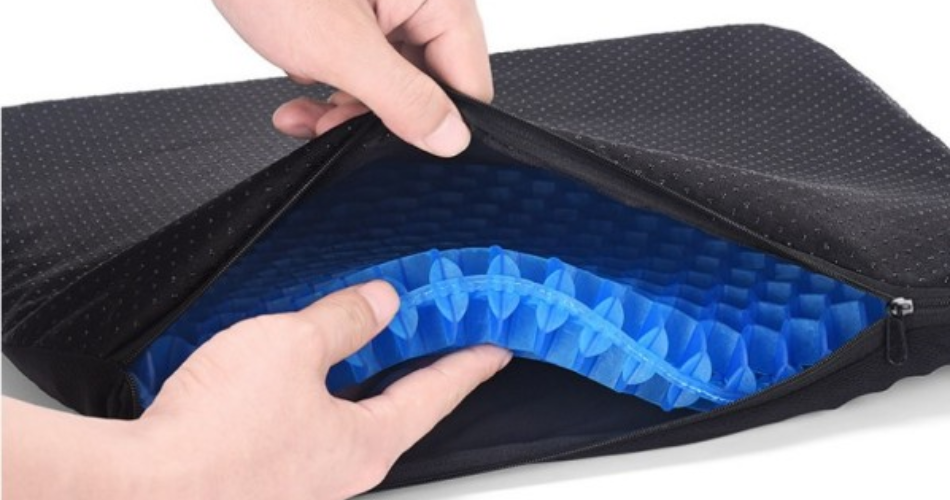
This is the exact science behind the CellGel+ Seat Cushion. The CellGel+ does not use cheap memory foam or synthetic fluff. Instead, it utilizes a proprietary Column-Buckling Gel Matrix. Here is why this works when everything else fails: Because it addresses the mechanical failure of standard cushions, the CellGel+ actually floats the sit-bones.
When your parent sits on the CellGel+, the medical-grade gel columns directly under their tailbone instantly yield and buckle, while the surrounding columns stand firm to support the thighs and pelvis.
Because the pressure is instantly redistributed across the entire seating surface, blood flows freely. Ischemia is prevented. The skin can breathe.
Furthermore, the open-cell honeycomb design allows continuous air circulation, destroying the heat and moisture build-up that accelerates skin breakdown.
This isn't a new, untested gimmick. It is the exact same pressure-redistributing science we rely on in clinical wound care—now engineered into a portable cushion by a single dedicated company.
"95% Of All Pressure Sores Are Preventable"
The results of switching from passive foam to active gel redistribution are staggering. Within hours of using the CellGel+, caregivers report an immediate difference.
The wincing stops. The constant shifting ends.
But the real proof is in the clinical data. According to the Model Systems Knowledge Translation Center (MSKTC), 95% of all pressure sores are preventable when proper pressure distribution is applied.
78 out of 80 caregivers who switched to advanced gel technology reported a massive reduction in their parent's complaints of tailbone pain within the first week.
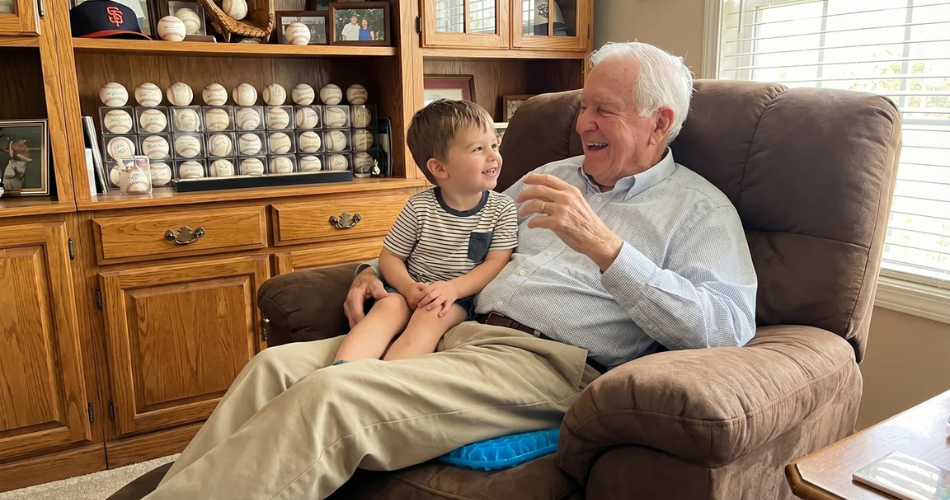
I even bought one for my own 82-year-old mother. After months of avoiding her favorite chair because it "made her back ache," she now sits comfortably through entire family movie nights without a single complaint.
Reclaiming Their Throne (And Your Peace of Mind)
We have somehow accepted that pain is just a "normal" part of aging.
We watch our parents' worlds slowly shrink—first they give up the garden, then the car rides, then sitting at the dinner table—all because it hurts too much to sit.
But constant sitting pain shouldn't be normal.
Think about the years of comfort and dignity your parent has lost simply because they were sitting on the wrong surface.
Think about the emotional weight, the exhaustion, and the terrifying guilt you have carried on your shoulders, believing you weren't doing enough.
It is time to challenge those accepted limitations. Your parent deserves to sit in their favorite chair safely. And you deserve to sleep at night knowing you have truly protected them.
(Stop the cycle of pain and guilt. Claim your CellGel+ Cushion here.)
An Urgent Warning For Caregivers
Word of the CellGel+ has rapidly spread through caregiver support groups and physical therapy clinics.
Because it uses highly specialized medical-grade gel rather than cheap foam, manufacturing runs take longer, creating a severe supply-and-demand imbalance.
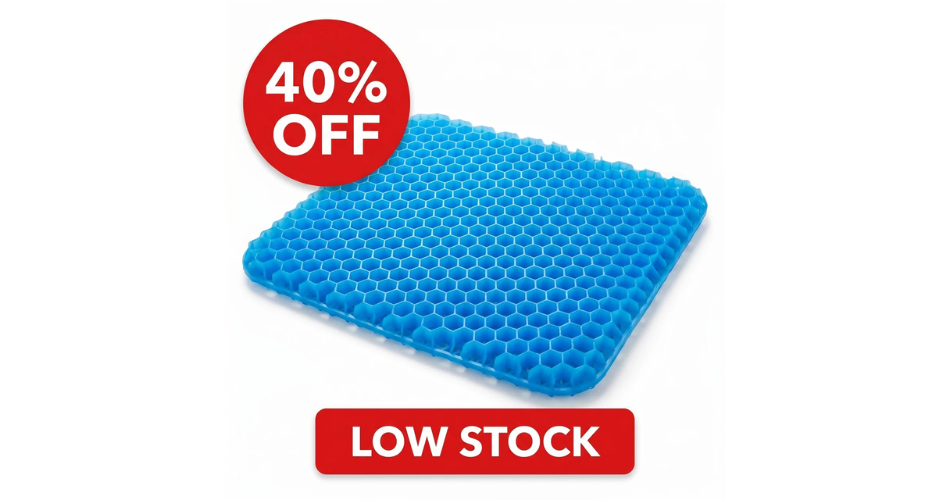
Right now, they are struggling to keep the CellGel+ in stock.
However, because you are reading this today, you have access to a reserved batch.
For a limited time, the manufacturers are offering an exclusive 40% Off Discount for family caregivers.
They also understand the deep skepticism that comes with buying "another cushion."
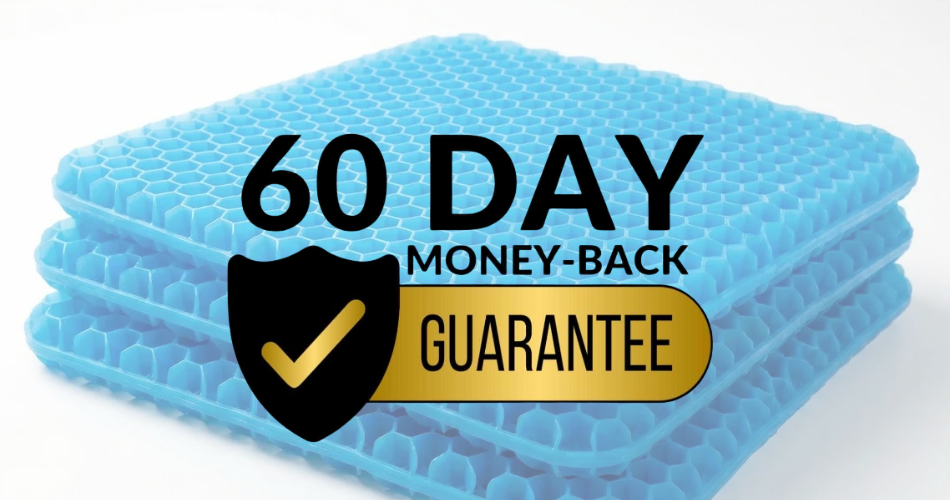
That is why every CellGel+ comes with a 60-Day, Risk-Free Guarantee.
Let your parent sit on it. Let them watch their favorite shows.
If you don't see an immediate, profound improvement in their comfort—and if you don't finally feel that overwhelming wave of peace of mind—simply return it for a full refund. No questions asked.
Invisible skin damage can begin in as little as 2 hours of seated pressure. Do not let your parent spend one more day trapped in a chair that is quietly harming them.
Secure Your 60-Day Risk-Free Guarantee
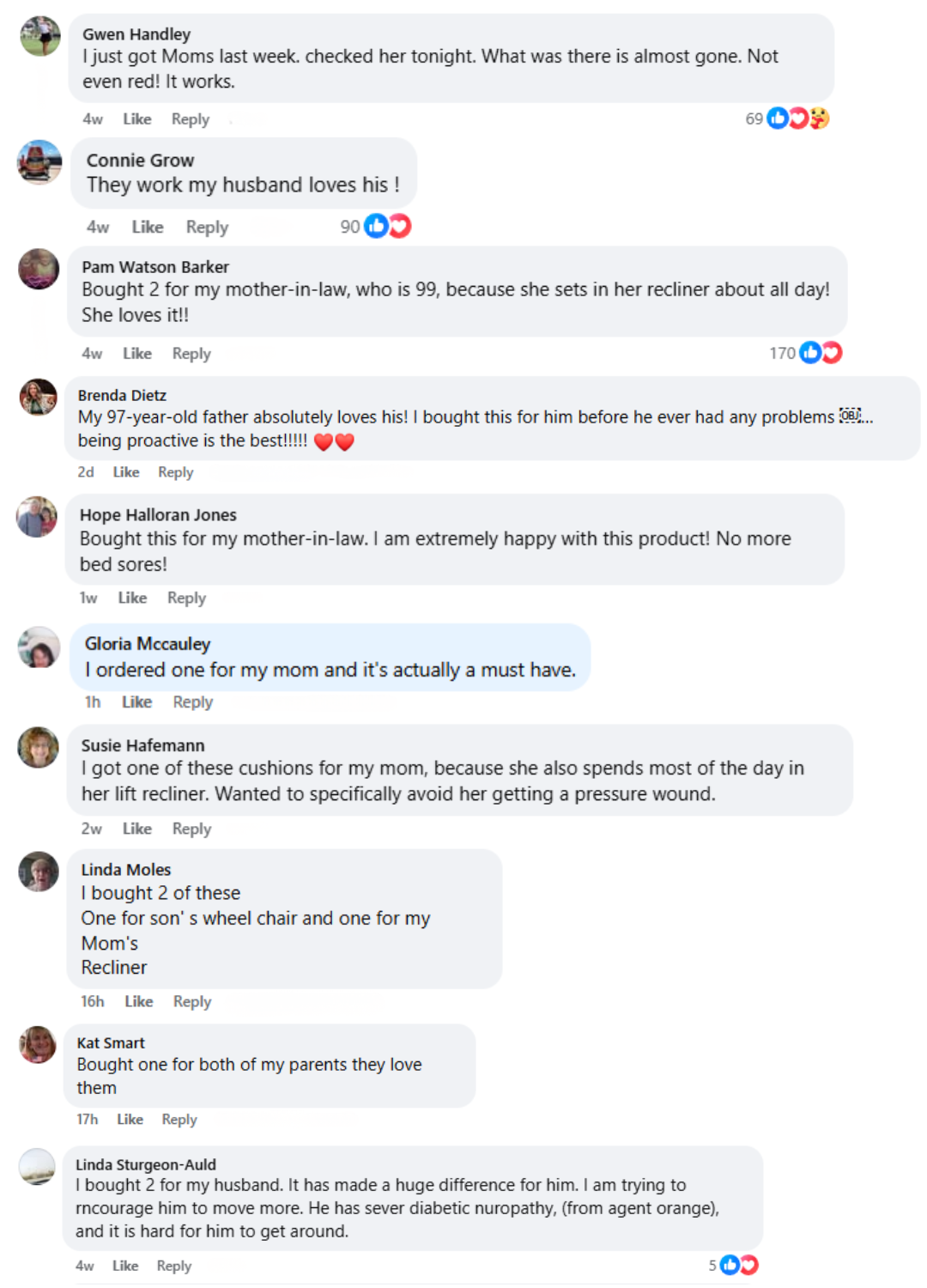
Real Caregivers. Real Relief.
Secure Your 60-Day Risk-Free Guarantee